
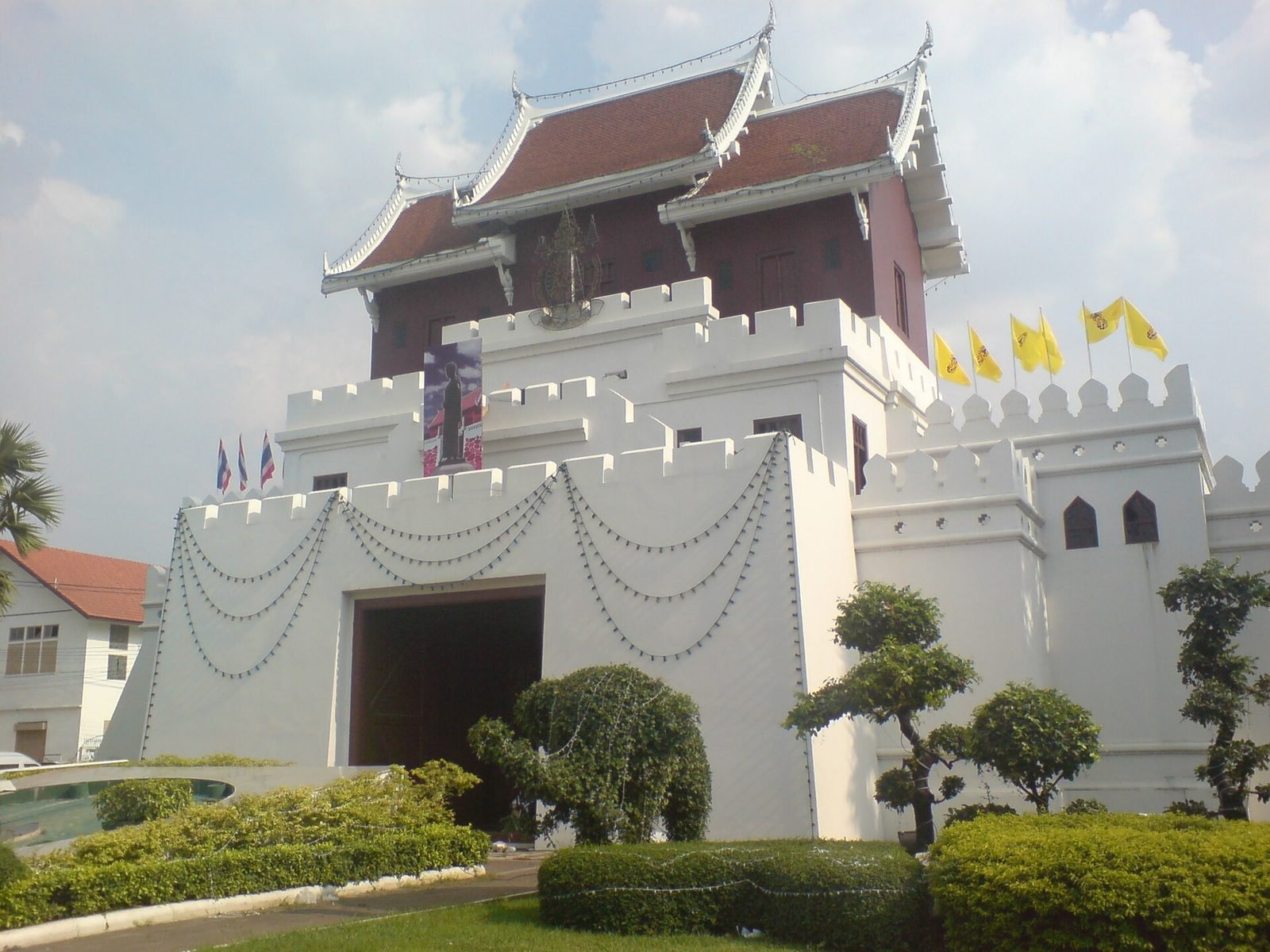

About Nakhon Ratchasima (Korat)
Nakhon Ratchasima, known simply as Korat, is the largest city in Isaan and often seen as the gateway to the northeast. The city lies about 260 km northeast of Bangkok and has a major trading function. At the Chumphon Gate stands the statue of Thao Suranari, the heroine of Korat, revered by visitors. The region is known for Pad Mee Korat, a dish of fried noodles, and for the ceramics of Dan Kwian. Korat is also the base for Khao Yai National Park and Phimai Historical Park. The city itself is busy and practical, but has quiet parks, temples and markets. Plan one day here, then continue to nature or the Khmer temples in the area. By bus or train the journey from Bangkok takes roughly four to five hours, which makes Korat an easy first stop in Isaan, especially if you are continuing to Khao Yai.
Best time to visit (indicative)
Best from November to February: cool and dry. March to May is very hot; June to October is the rainy season, with green rice fields. From February to April there can be haze from burning fields. Weather varies from year to year; this is a guideline based on the climate.
Getting there
From Bangkok by train or bus (about 3 to 4 hours); the city is a hub for further travel in Isaan. Distances and travel times are rounded estimates.
Things to do in Nakhon Ratchasima (Korat)
- Thao Suranari monument The statue of Korat’s heroine at the Chumphon Gate, visited daily by worshippers.
- Pad Mee Korat Try the fried noodles that made the city famous.
- Dan Kwian ceramics A village with pottery in a distinctive brown colour.
- Gateway to Khao Yai and Phimai From Korat, nature and Khmer temples are within day-trip reach.
Nakhon Ratchasima (Korat) on the map
Pinch to zoom; tap a point for more info.
